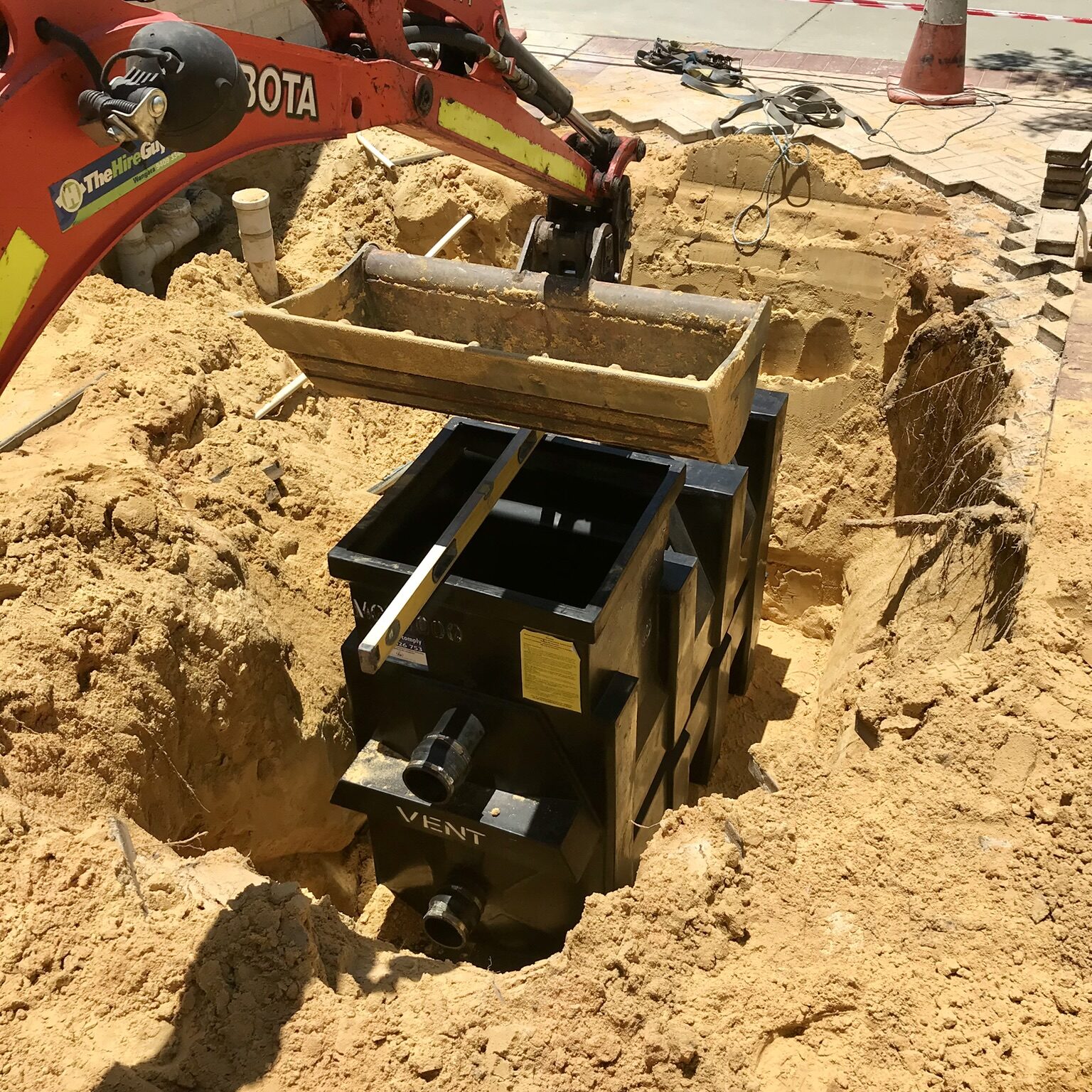
Professional Grease Trap Installations & Compliance
A failing or non-compliant grease trap is a massive liability that can instantly shut down your commercial kitchen and result in severe Water Corporation fines. Our licensed plumbing team provides expert installation, upgrades, and maintenance of commercial grease arrestors to keep your venue operating legally and efficiently.
Essential Pre-Treatment for Commercial Kitchens
Whether you are fitting out a new cafe, expanding a busy restaurant, or upgrading an existing food manufacturing facility, proper trade waste management is a strict legal requirement in Western Australia. Pouring hot fats, oils, and grease (FOG) down the drain without an approved pre-treatment device will quickly choke the municipal sewer lines, leading to catastrophic overflows and heavy daily non-compliance charges.
We handle the entire grease trap process - from calculating the exact sizing requirements based on your kitchen's fixtures, to installing heavy-duty, fully approved arrestors. We work seamlessly with shopfitters, builders, and business owners to ensure your trade waste plumbing is perfectly positioned, easily accessible for routine pump-outs, and strictly certified.
Need a commercial grease trap installed or upgraded? Call our local team today.
The Mindarie Plumbing Service Guarantee
Strict Water Corp Compliance
We ensure every installation meets the exacting standards required to secure and maintain your Water Corporation Trade Waste Permit.
Accurate System Sizing
We meticulously calculate your kitchen’s peak flow rates to ensure you never install an undersized, non-compliant unit that fails inspections.
Heavy-Duty, Approved Installs
We supply premium, Water Corporation-approved concrete and advanced polymer grease arrestors designed to withstand the rigours of the hospitality industry.
Need An Emergency Plumber?
What Mindarie Locals Are Saying
Frequently Asked Questions
A grease trap is a specialised plumbing device designed to intercept and pre-treat greasy wastewater before it reaches the main municipal sewer. It is typically a large tank fitted with internal baffles. When hot, greasy water enters the tank, the flow is significantly slowed down, allowing the wastewater to cool.
As it cools, the lighter fats, oils, and grease float to the surface to form a crust, while heavier food solids sink to the bottom as sludge. The relatively clear water in the middle is then allowed to flow out through a uniquely designed outlet pipe and safely into the public wastewater system.
Yes, if your business handles, prepares, or cooks food, it is a strict legal requirement under the Western Australian Water Services Act 2012. Any business discharging trade waste into the sewer system - including lunch bars, cafes, bakeries, and large restaurants - must hold a current Trade Waste Permit from the Water Corporation.
As a condition of this permit, you must have an approved pre-treatment device installed. Operating without one, or failing to upgrade an undersized unit within the mandated timeframe, can result in massive daily non-compliance charges, legal action, or even having your venue completely disconnected from the wastewater system.
Sizing a grease trap requires strict adherence to Water Corporation guidelines; it is not a guessing game. The minimum allowable size for a grease arrestor in Western Australia is 500 litres, but busy restaurants often require units upward of 2,000 litres.
We calculate the exact size required using the "Fixture Unit Rating" method. This involves assigning a specific value to every single fixture in your kitchen that feeds into the trap - such as double pot sinks, hand basins, and wok burners - and multiplying that total to find your maximum hourly flow rate. We ensure the trap is perfectly sized so the wastewater has at least one full hour of retention time to cool and separate correctly.
No, it is strictly against plumbing regulations to discharge commercial dishwashers or glass washers into a grease trap. These appliances use incredibly high water temperatures and highly concentrated, quick-breakdown detergents that are designed to completely dissolve baked-on grease.
If this scalding, detergent-heavy water enters the grease trap, it will instantly liquefy and emulsify the existing fat crust that has already been captured. This liquified grease will then easily bypass the baffles and flow directly into the public sewer, completely defeating the purpose of the trap and putting your venue at risk of failing your wastewater quality tests.
Your grease trap is not a bottomless pit. Over time, the floating fat crust and the sunken sludge will build up, significantly reducing the amount of clear water the tank can hold. If the combined solids exceed 30% of the tank's effective depth, the trap will fail and allow greasy water to escape into the sewer.
The specific pump-out frequency is officially determined by the Water Corporation and stated directly on your Trade Waste Permit (often every few months, depending on your volume). You must hire a licensed liquid waste contractor (such as a FOGMan approved contractor) to physically pump out the tank, clean the baffles, and transport the waste to an approved treatment facility, keeping your business fully compliant.
Have a question?